


How Light Control System Installations Improve Energy Efficiency in Smart Homes
Smart homes are becoming increasingly sophisticated, with homeowners prioritizing energy efficiency, convenience, and personalized comfort. One of the standout innovations driving this evolution is professional light control system installations. These systems allow users to manage lighting in ways that reduce energy consumption, lower utility bills, and elevate the overall home experience.
Rising energy costs, coupled with greater environmental awareness, have accelerated the adoption of intelligent lighting solutions. By controlling when and where lights are active, light control system installations minimize wasted energy while offering flexible, automated management. As a result, homeowners can achieve meaningful savings while enhancing their home environment.
This article explores the benefits, functionality, and future potential of light control system installations, highlighting the role of technology, cost-effectiveness, and the growing market trends shaping this dynamic industry.
How Light Control Systems Work
Modern light control systems combine sensors, timers, dimmers, and centralized control interfaces to deliver an intelligent lighting experience. Sensors detect occupancy and natural light, ensuring that lighting is active only when needed. Dimmers allow precise adjustment of brightness, while control interfaces, ranging from wall panels to mobile apps, enable seamless management from anywhere in the home.
Connectivity plays a key role in the system's operation, with wireless communication technologies like Zigbee, Z-Wave, and Bluetooth ensuring reliable integration without complex wiring. Users can create automated schedules or specific lighting scenes for activities like reading, entertaining, or relaxing, adjusting ambiance and energy usage simultaneously.
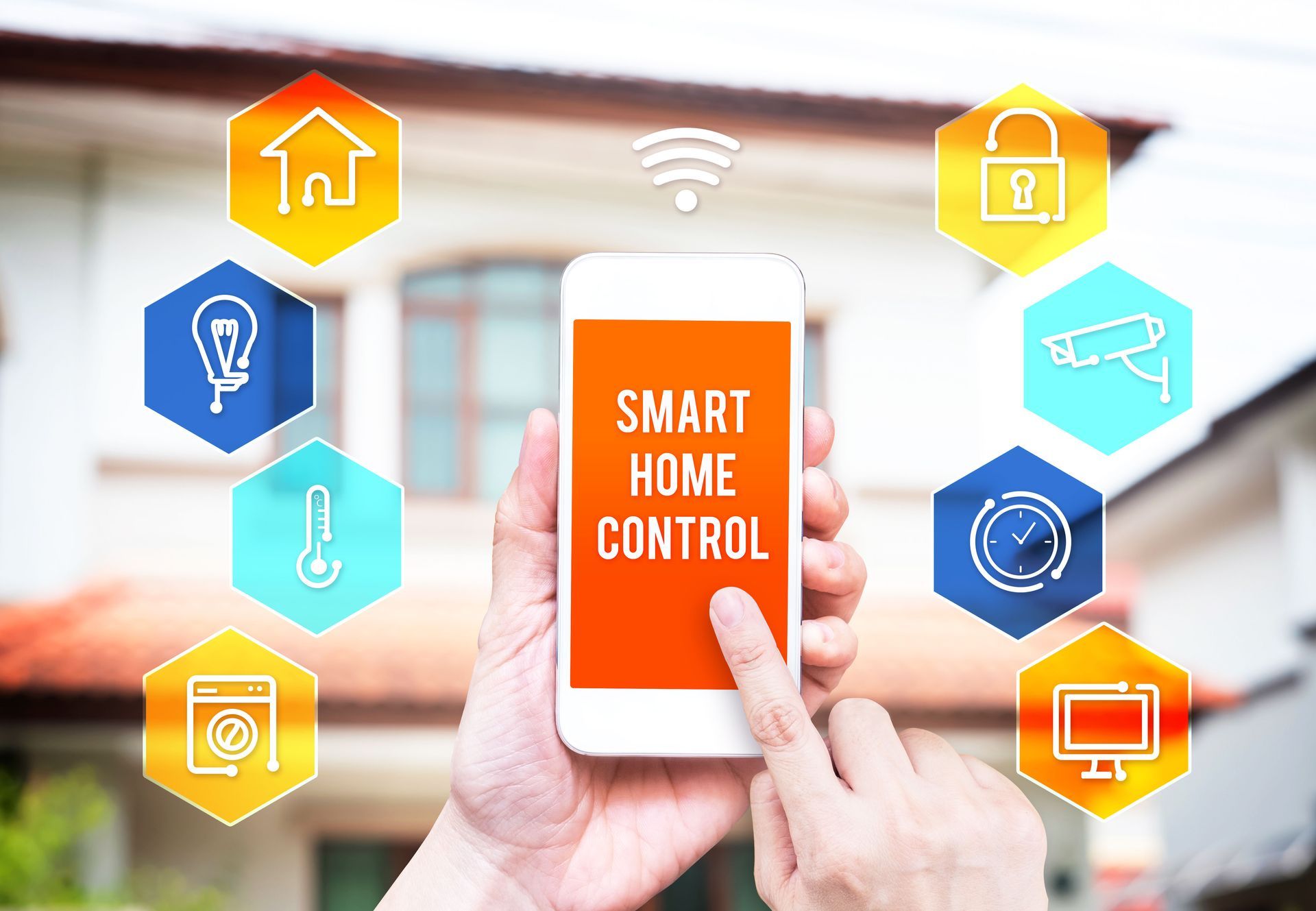
Additionally, light control system installations often integrate with broader smart home ecosystems, supporting platforms like Amazon Alexa, Google Home, and Apple HomeKit. This integration enables voice commands, remote access, and coordination with other devices, such as thermostats and automated blinds, creating a fully connected, efficient, and responsive home environment.
Key Benefits of Light Control System Installations
The advantages of installing a smart lighting system extend beyond energy savings. Automation ensures lights are used only when necessary, reducing both electricity consumption and environmental impact. Studies and consumer reports consistently show that light control systems can lower household energy use by up to 40%, demonstrating tangible benefits for both the wallet and the planet.
Energy efficiency is further amplified when systems optimize lighting based on occupancy, natural light levels, and preset schedules. This reduces human error, as lights are less likely to be left on in empty rooms. Additionally, the integration of LED technology maximizes efficiency by consuming less energy and offering a longer lifespan compared to traditional bulbs.
From a convenience standpoint, light control system installations allow users to manage their lighting from smartphones, voice commands, or wall-mounted controllers. This intuitive access simplifies daily routines, enhances comfort, and creates a customizable environment for every activity and preference.
The North American Residential Market and On-Time Growth
The residential lighting control system market in North America is experiencing rapid expansion. According to Mordor Intelligence, the market is projected to reach USD 7.98 billion in 2025 and grow at a CAGR of 15.5%, reaching USD 16.40 billion by 2030. These numbers underscore the increasing consumer demand for energy-efficient, technology-driven solutions and the growing importance of timely installation services to meet market needs.
Timely implementation of light control system installations is critical, particularly for homeowners looking to integrate multiple smart home devices. As the market expands, the speed and efficiency of professional installation services will directly impact user satisfaction and overall adoption rates, making reliable installers an essential component of the smart home ecosystem.
Cost-Effectiveness and Return on Investment
While upfront costs for light control system installations may vary depending on system complexity and the number of integrated devices, the long-term financial benefits are significant. Automated lighting reduces energy consumption, lowers utility bills, and extends the life of lighting fixtures, providing a compelling return on investment (ROI).
Many manufacturers offer flexible financing options, and government incentives, rebates, or tax credits for energy-efficient installations further reduce the net cost. By strategically implementing automated lighting schedules, homeowners often recover their initial investment within a few years, while continuing to enjoy long-term savings.
In addition, homes equipped with advanced lighting systems may see enhanced property value and appeal. Potential buyers increasingly favor residences with smart home technology, viewing them as modern, efficient, and forward-thinking. The combination of immediate financial savings and long-term property benefits reinforces the economic advantage of light control system installations.
Overcoming Implementation Challenges
Despite their benefits, light control system installations can present challenges, particularly in homes with older wiring or incompatible lighting fixtures. Connectivity issues may also arise, especially with wireless systems that rely on Wi-Fi or other communication protocols. Miscommunication between sensors, dimmers, and control hubs can limit system performance if not addressed.
To ensure a smooth installation process, it is advisable to work with professional technicians experienced in smart home integration. Experts can assess existing electrical infrastructure, recommend compatible devices, and optimize system layout to maximize efficiency and performance. Strategic placement of hubs and devices, combined with proven wireless technologies like Zigbee or Z-Wave, mitigates connectivity concerns.
Manufacturers support homeowners with robust troubleshooting resources and customer service, ensuring that even complex systems operate reliably. By addressing these challenges proactively, users can fully leverage the benefits of light control system installations without frustration or disruption.
Future Trends in Smart Lighting
Technological advancements continue to shape the future of light control system installations. Machine learning algorithms allow systems to predict user behavior and optimize lighting patterns over time. Remote access capabilities enable homeowners to monitor and control their lighting from anywhere in the world. Meanwhile, the integration of AI and solar-powered lighting solutions further enhances sustainability and efficiency.
As LED technology continues to improve, energy savings and lifespan advantages increase, reinforcing the overall effectiveness of intelligent lighting systems. The evolution of IoT devices also promotes deeper integration, allowing light control systems to work in harmony with other smart home technologies for a seamless and holistic experience.
The combination of predictive automation, enhanced connectivity, and sustainable design ensures that light control system installations will remain a critical component of energy-efficient smart homes for years to come. Homeowners adopting these technologies today are not only improving their comfort and convenience but also contributing to broader environmental goals and long-term energy savings.
Conclusion: Why Light Control System Installations Are Essential
Light control system installations are more than just a modern convenience- they are a strategic investment in energy efficiency, cost savings, and home functionality. By integrating advanced sensors, intelligent controls, and automated scheduling, these systems allow homeowners to minimize energy wastage, reduce utility costs, and enjoy fully customizable lighting environments.
Given the North American market's projected growth, there has never been a better time to adopt these technologies. With professional installation and proper system integration, homeowners can unlock the full potential of smart lighting, ensuring both immediate and long-term benefits. By investing in these systems now, homeowners not only enhance their living environment with convenience and customization but also contribute to significant energy savings, reduced environmental impact, and increased property value. Early adoption positions residents at the forefront of smart home innovation, allowing them to enjoy cutting-edge technology that evolves with future advancements.
From environmental impact to convenience, financial returns, and property value enhancement, the advantages of light control system installations are clear. By partnering with experienced technicians, homeowners can seamlessly implement these solutions while overcoming technical challenges and maximizing efficiency. For more information about the services that we offer, reach out to our incredible team at Synergy Electric & Lighting today!



Share On: