


What Is a Light Control System and How Does It Work?
A light control system is a network of devices that manages how illumination functions inside a home or building. These systems adjust brightness, timing, and power use so lighting matches the way a space is used. Modern light control system installations connect switches, sensors, and smart interfaces into one organized platform. Instead of relying on traditional on and off switches alone, homeowners can guide lighting through schedules or mobile devices. The purpose is to create comfort while reducing wasted electricity. Interest in these upgrades continues to rise as more families add home automation features to everyday living.
Learn How Lighting Technology Has Evolved
Early lighting relied on simple wall switches and manual dimmers that offered limited flexibility. Over time, electronic controls introduced timers and motion sensors that improved efficiency. Digital communication later allowed multiple fixtures to respond to one command. Today’s light control system installations combine wireless networking and intuitive software. This progress has transformed lighting from a basic utility into an adaptable part of home automation. Systems now respond to daylight levels, occupancy, and personal preference. Understanding this evolution helps explain why many property owners are replacing outdated equipment with smarter solutions.
Recognize Where Systems Are Used
Light control systems appear in living rooms, kitchens, offices, and outdoor areas. Residential users enjoy customized scenes for reading, cooking, or entertaining guests. Businesses use similar technology to manage large spaces and reduce operating expenses. Light control product installations also improve safety around entryways and garages by activating fixtures when movement occurs. These applications show how versatile the technology has become. According to The Spruce, almost 50% of homeowners now include at least one smart feature inside their home, reflecting how common connected lighting and automation have become.
Compare Manual and Automated Options
Manual controls still exist and include dimmer sliders and standard switches. They provide direct interaction but require someone to adjust them each time. Automated platforms, by contrast, react without constant attention. Light control system installations that include automation can follow preset schedules or respond to sensors. This difference affects both convenience and energy use. Manual methods suit simple needs, while automated designs fit busy households that want consistent performance. Many homeowners begin with a few automated rooms and expand the system as they see the benefits.
Identify Core Parts of the System
Every light control setup relies on several key components. Sensors detect motion or available daylight and send information to the controller. The controller acts as the decision center that determines how fixtures should respond. Dimmers and relays then carry out those commands. During light control product installations, technicians connect these parts, so they communicate smoothly. Proper placement of sensors is important because it influences how accurately the system reacts. When the pieces work together, lighting feels natural and effortless.
See How Input Triggers Action
Input mechanisms start the process by noticing changes in the environment. A motion sensor may detect a person entering a hallway, or a wall keypad may receive a request to lower the brightness. Light control system installations translate those signals into digital messages. The system evaluates the information and decides whether to brighten, dim, or turn the lights off. This quick sequence happens in seconds and often goes unnoticed by occupants. Reliable input devices ensure the system remains helpful instead of distracting.
Follow the Processing Path
After receiving input, the controller analyzes the request using built-in logic. Rules created during the setup guide how each fixture should behave at different times of day. Light control system setups allow these rules to be adjusted as family routines change. The processor may consider several factors at once, such as daylight and occupancy, before sending a command. This layered approach prevents unnecessary energy use. Thoughtful programming makes the difference between a basic system and one that truly supports daily life.
Experience the Output Results
The final step occurs when fixtures respond to the controller. Lights may fade to a softer level for evening relaxation or brighten for detailed tasks. Actuators and smart bulbs carry out these directions accurately. With well-planned light control system installations, transitions feel smooth rather than abrupt. Outdoor lighting can also react by illuminating paths or patios when needed. The result is a home that adapts to activity without constant manual adjustments.
Reduce Energy and Lower Costs
One major reason homeowners choose these upgrades is the potential for savings. Lights that shut off in empty rooms prevent unnecessary consumption. Dimming features use less power while still providing comfortable visibility. Light control product installations that include daylight sensors take advantage of natural sunlight instead of electric fixtures. Over months and years, these small reductions add up to meaningful financial benefits. Efficient lighting also supports broader goals for responsible resource use.
Improve Comfort and Ambiance
Lighting affects mood more than many people realize. Bright white tones support focus, while warmer levels encourage relaxation. Systems allow families to store favorite settings for different activities. Light control system installations make it easy to shift from a lively gathering to a quiet movie night. Instead of walking from room to room flipping switches, one command adjusts the whole environment. This flexibility helps each space serve multiple purposes throughout the day.
Connect Lighting With Home Automation
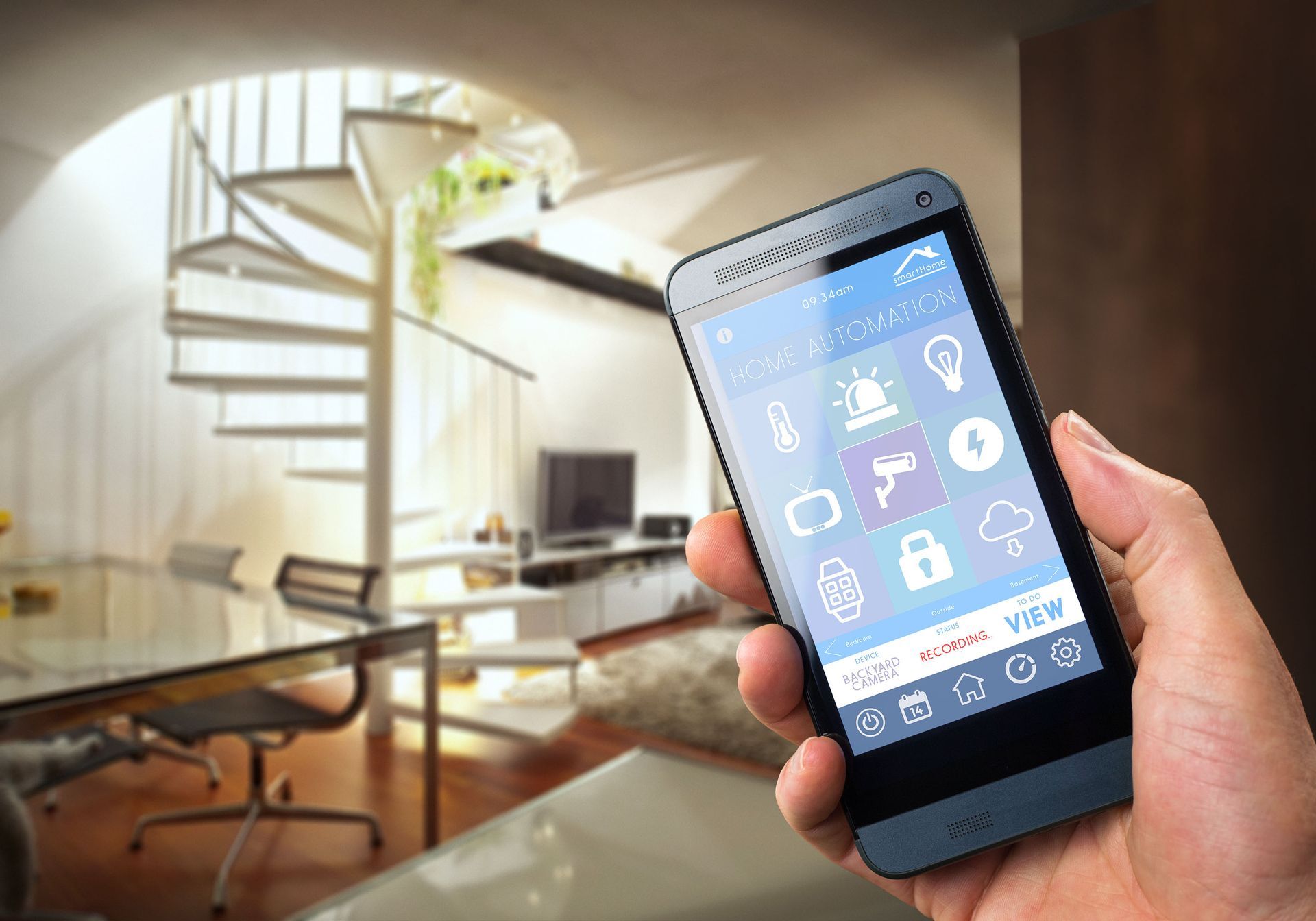
Modern platforms integrate lighting with other smart features inside the home. Schedules can coordinate with security devices or window shades. Voice commands provide another convenient option. Light control system setups form the foundation for broader home automation plans offered by qualified electrical teams. As more devices communicate together, daily routines become simpler. Homeowners appreciate being able to manage several systems from one application rather than separate controls.
Prepare for Future Improvements
Technology continues to advance, bringing better sensors and more intuitive software. Future updates will allow systems to learn habits and anticipate needs. Light control product installations completed today can often accept new components later, protecting the original investment. Wireless standards make it easier to expand coverage without major remodeling. These trends suggest that connected lighting will remain an important part of modern homes for many years.
Choose Professional Guidance
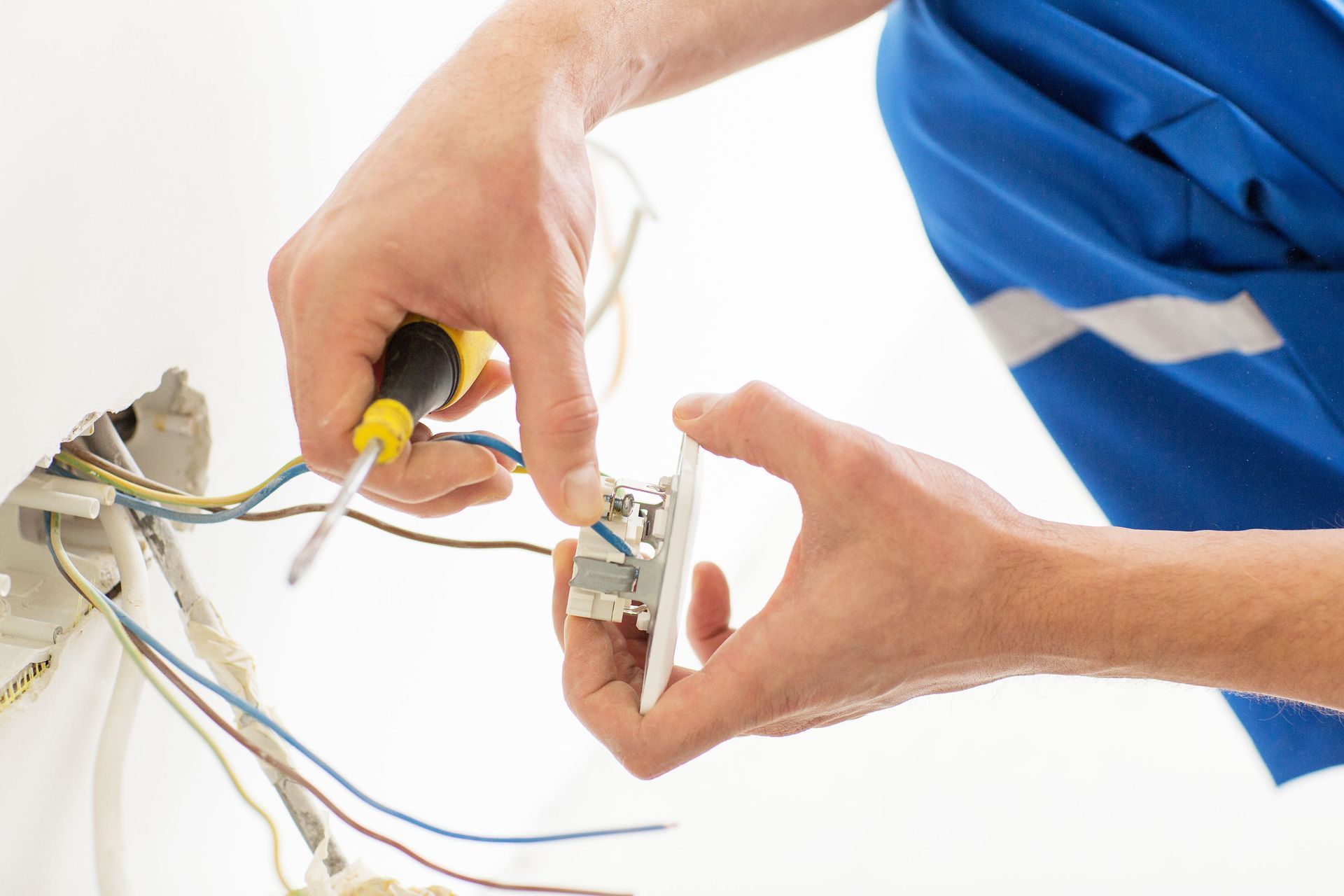
Planning a system requires knowledge of wiring, device compatibility, and room layout. Professional evaluation ensures equipment matches the way a family lives. Light control system installations designed around actual routines perform better than generic packages. Attention to details such as switch location and fixture type improves long-term satisfaction. Working with experienced electricians helps homeowners avoid common setup challenges.
Maintain Reliable Performance
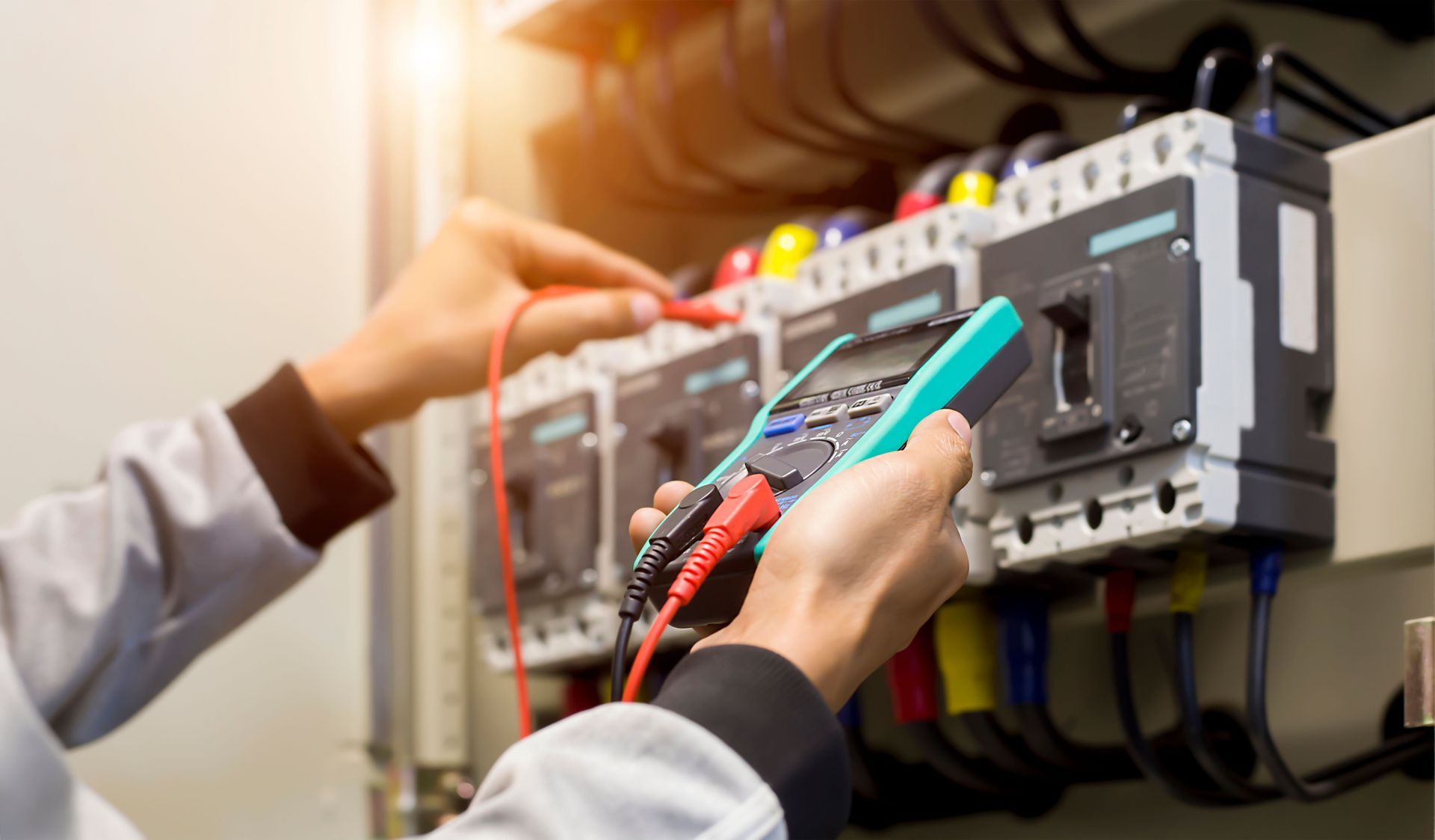
Once installed, systems need occasional updates and testing. Batteries in sensors and software on controllers should remain current. Light control system setups benefit from routine checks that confirm schedules still fit household habits. Simple maintenance protects both safety and efficiency. When adjustments are necessary, they can usually be completed without disrupting daily activities.
Connected lighting has become a practical upgrade that supports comfort, efficiency, and home automation. Thoughtful light control system installations allow every room to respond to the people who use it most. Families gain convenient control while reducing wasted electricity. For homeowners ready to improve the way their property functions, Synergy Electric & Lighting can help evaluate options and design a system that fits real needs. We invite you to contact Synergy Electric & Lighting to discuss how modern lighting controls can enhance your home and simplify everyday living.

Share On: