


Why You Should Not Attempt DIY Electrical Repairs
The trend of DIY home improvement projects has been driven by the allure of saving money and the satisfaction of personal accomplishment. However, while painting a room or building a simple piece of furniture might pose little threat, electrical repairs are an entirely different matter. The risks involved in handling electrical systems without proper training are considerable. Safety should always be the primary concern, as mistakes can lead to serious injury or property damage. This article outlines why DIY electrical repairs should be avoided in favor of hiring experienced professionals, such as a licensed electrician, who prioritize safety and adhere to legal standards.
Realizing the Safety Risks Involved in Electrical Repairs
Electrical shock is a leading hazard encountered in DIY electrical repairs. It can occur when an individual unknowingly completes an electrical circuit, allowing current to flow through the body. Many homeowners underestimate the danger of standard 120-volt systems found in homes, which can still result in severe injury or death. According to Family Handyman, electrocution occurs more frequently with 120 volts of electricity, which is the standard in a home. Engaging in electrical repairs without understanding this risk could lead to disastrous consequences, which a licensed electrician is specifically trained to prevent.
Risking Potential Electrical Fires
Improperly executed electrical work can result in dangerous conditions conducive to electrical fires. A poor connection of wires, overloading circuits, or failing to ground electrical fixtures properly can create heat and sparks that ignite fires. Fires caused by electrical faults can quickly spread throughout a home, endangering lives and resulting in significant property damage. A licensed electrician understands fire safety standards and takes necessary precautions to ensure all connections are secure and up to code. The peace of mind from an expert’s work far outweighs the potential hazards of amateur mistakes.
Lacking Safety Precautions
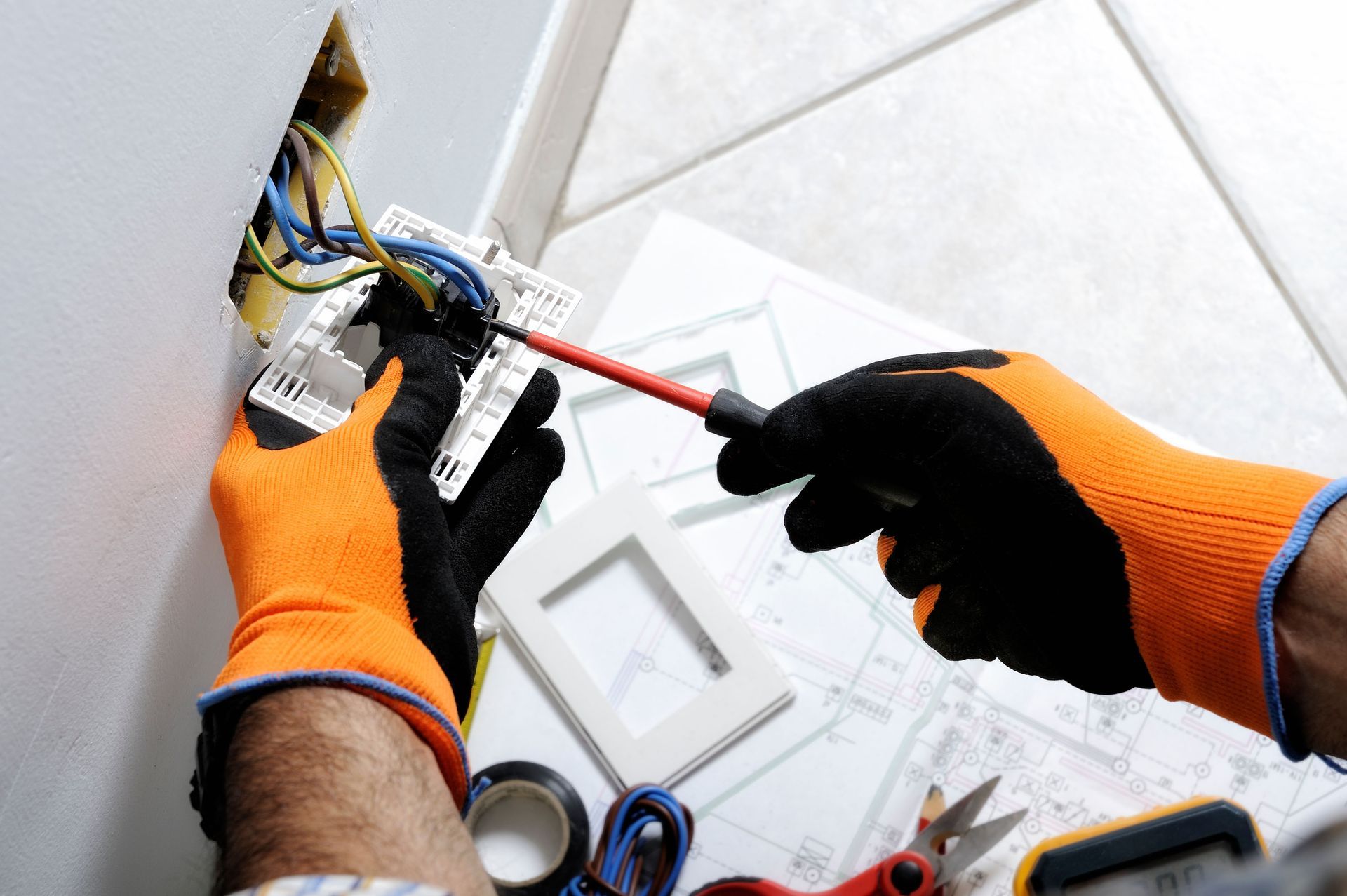
Those without specialized training are often unaware of the full range of safety precautions required in electrical work. A licensed electrician utilizes personal protective equipment (PPE) and follows strict safety protocols to avoid injury. DIY enthusiasts may not recognize the importance of using insulated tools or disconnecting power sources. These oversights heighten the risk of accidents during even the simplest of tasks. The absence of proper safety measures can escalate a minor repair into a life-threatening situation, demonstrating the necessity for trained professionals.
Shortcoming Knowledge of Hazards
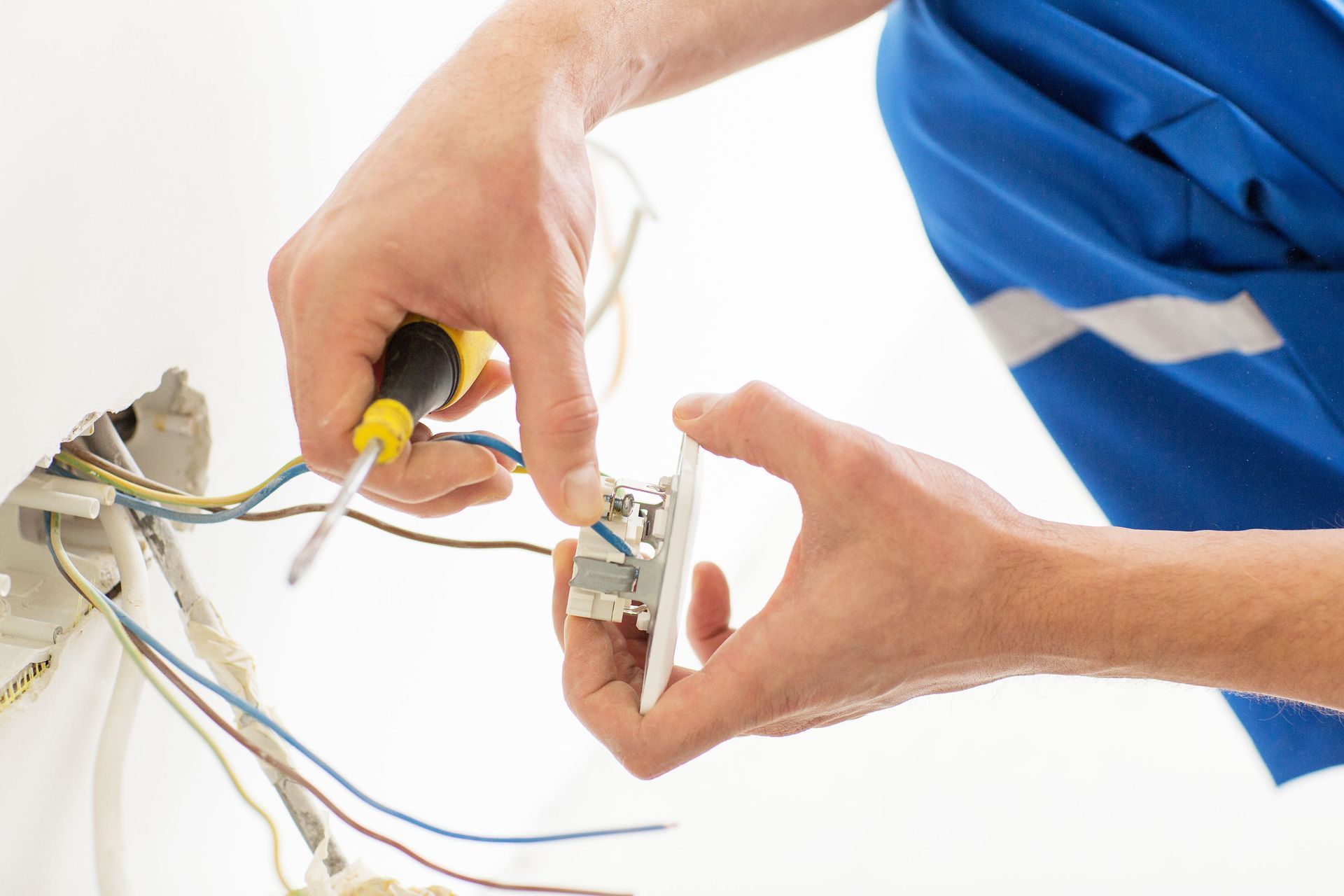
Electrical systems are complex and inherently hazardous, even to those with a basic understanding. Novice DIYers may not fully comprehend the potential risks involved, from electric shock to circuitry misuse. A lack of understanding makes it a challenge to carry out procedures safely, such as correctly identifying and isolating circuits. Misdiagnoses or assumptions based on partial knowledge only serve to exacerbate hazards. For a homeowner, this could mean placing oneself and others at unnecessary risk, emphasizing the value of consulting a licensed electrician.
Impacting Long-Term Health Concerns
While immediate injuries such as electrical burns or shocks are concerning, the long-term health effects of improperly handled electricity can also be significant. Scenarios such as sustained low-level shocks can lead to chronic health issues, impacting the nervous or cardiovascular systems. These long-term consequences are mostly preventable with proper knowledge and training. Thus, trust in a licensed electrician becomes crucial not only for immediate safety but to avert potential health ramifications down the line. The importance of expertise cannot be overstated when considering the far-reaching implications of electrical safety.
Building Code Violations
DIY electrical work often runs afoul of local building codes, which set the safety standards for residential and commercial properties. These codes are complex documents developed to ensure the safety and reliability of electrical systems. Homeowners who choose to conduct electrical work without understanding these regulations risk non-compliant installations. Such violations not only compromise safety but also could result in legal penalties or fines. Engaging a licensed electrician ensures compliance with all applicable codes, preserving the integrity and safety of the electrical systems.
Understanding Liability and Insurance Implications
Improper electrical repairs can lead to situations where homeowners find themselves liable for damages or injuries. Many insurance policies require electrical work to be performed by licensed professionals, affecting coverage eligibility. DIY repairs could void insurance policies, leaving homeowners responsible for any ensuing damages out of pocket. In the event of an accident, the associated costs could be substantial. Having a licensed electrician carry out electrical repairs becomes a safeguard against these potential financial liabilities.
Permitting and Inspection Requirements
Most jurisdictions mandate permits and inspections for electrical work to ensure it meets safety standards. These processes can be daunting for those unfamiliar with local regulations or the technical aspects required. A professional electrician handles all necessary paperwork and coordinates with inspectors, streamlining the compliance process. Homeowners undertaking DIY repairs may bypass this step, leading to unapproved work that violates regulations. Proper permitting ensures that all work is vetted for safety and adherence to the requisite codes.
Penalizing Consequences of Non-Compliance
Failing to abide by legal and safety standards in electrical work can have serious repercussions. Non-compliance could lead to fines, penalization, and even forced removal of non-compliant installations. Future real estate transactions are also complicated, as non-compliant work may delay or hinder sales processes. Additionally, it can raise red flags during home inspections, potentially decreasing the property's market value. Compliance is not just a legal obligation but a preventative measure to avoid future complications and expenses.
Impacting Property Value
Poorly executed electrical repairs affect the resale value of homes substantially. Real estate assessments take into account the condition and compliance of electrical systems when determining property valuations. A history of unlicensed or non-compliant work can deter potential buyers or necessitate expensive updates before a sale. In contrast, electrical systems verified by a licensed electrician enhance property value and marketability. This underscores the financial wisdom of adhering to professional work from the outset, beyond immediate safety concerns.
Disregarding Training, Knowledge, and Expertise
Becoming a professional electrician requires rigorous training involving both classroom education and hands-on apprenticeship. This process equips professionals with the knowledge to handle complex electrical systems safely and efficiently. Certification ensures adherence to industry standards and best practices, marking a level of competence recognized by regulatory boards. DIY efforts, lacking this foundational training, risk mistakes that professionals are trained to avoid. The expertise gained through formal education is invaluable, especially when faced with intricate and often dangerous electrical problems that a licensed electrician is prepared to manage.
Acknowledging the Complexity of Electrical Systems
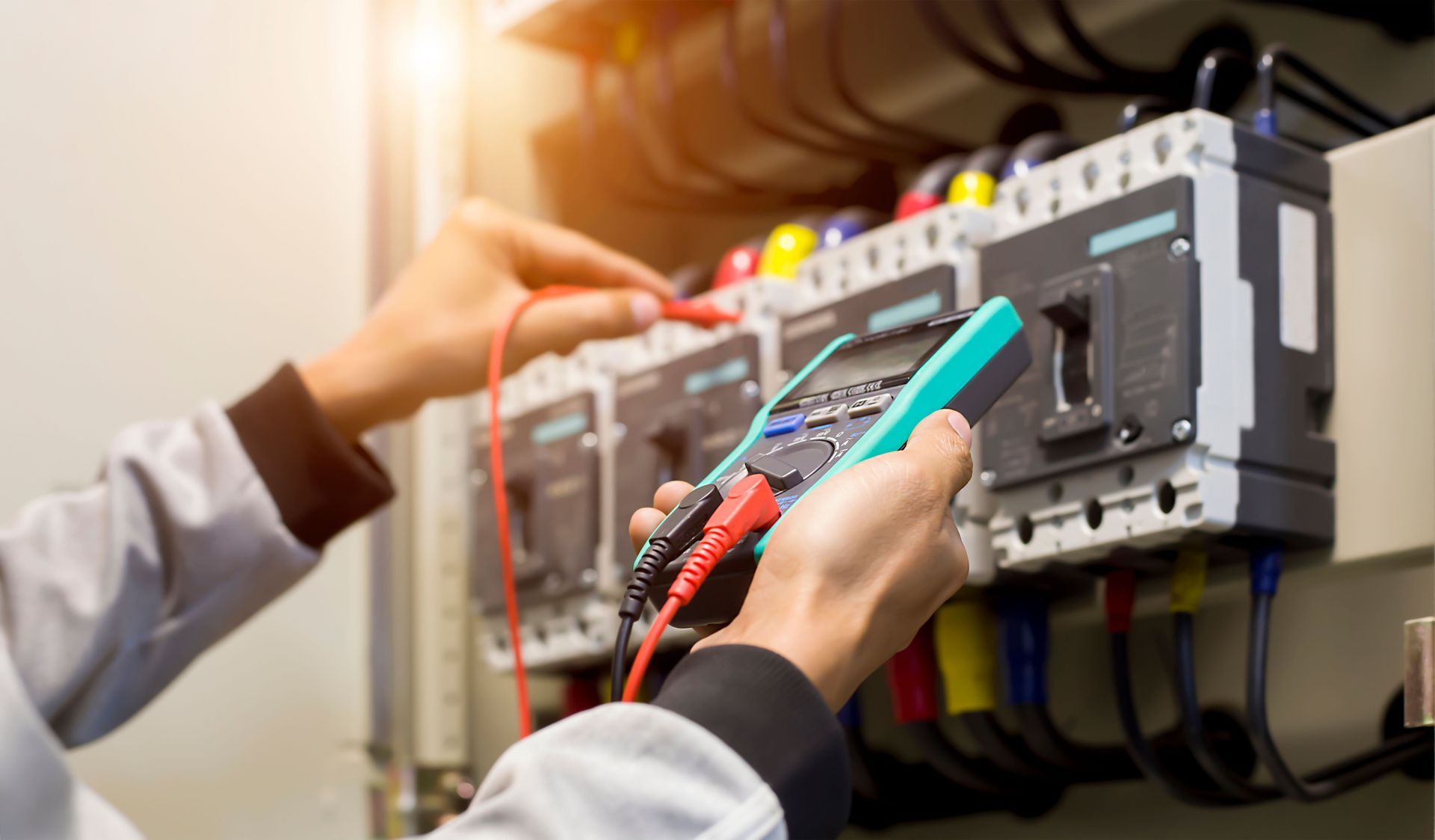
The intricacy of modern electrical systems demands a deep understanding of how various components interact. These systems encompass a vast network of circuits and connections that require expert navigation. Issues such as identifying voltage levels or interpreting wiring diagrams are second nature to trained electricians. For an amateur, however, these tasks can be both challenging and risky. The complexity of electrical systems underscores the necessity of relying on a licensed electrician to ensure safe and effective repairs.
The numerous risks and complexities associated with DIY electrical repairs make it an unwise endeavor. From potential safety hazards to legal implications and inadequate tools, the challenges are profound. Professional electricians offer essential expertise, quality assurance, and compliance with safety standards, marking a responsible choice for homeowners. Prioritizing safety and expertise not only protects against immediate risks but also preserves long-term property value and personal well-being. Readers are encouraged to seek the guidance of licensed professionals for all electrical work, ensuring both safety and peace of mind. If you are seeking a professional electrician in the Sarasota, FL area, contact Synergy Electric & Lighting today.
Share On: